From the wonder of infancy to the demands of the boardroom — a companion for every stage of the human journey.
At first glance, the Elijah & Friends Awareness Series is a visual feast. Every page is intentionally designed with a high-chroma, high-contrast palette specifically crafted to captivate the developing eyes of an infant.
However, as the reader grows, the series reveals its true purpose: providing a sophisticated intellectual architecture for the “super-computer” of the human mind.
By age five, the human brain has reached 90% of its adult volume, and synaptic density is at its lifetime peak—double that of an adult. This is the “synaptic pruning” phase, a biological “use it or lose it” window. Because of this raw cognitive flexibility, five-year-olds are uniquely wired to grasp big concepts like fairness, mortality, and identity before the brain’s “hardware” begins to lock in. We provide the intellectual scaffolding for this critical moment.
Philosophy doesn’t have an expiration date. While a child is building their worldview, many adults are looking to reclaim theirs. Whether you are 25 or 45, the concepts of authenticity and radical self-acceptance are the keys to personal fulfillment.
For the “Grown-up”: These books serve as a vibrant, meditative reminder to strip away the “labels” we’ve collected over decades and return to the “brilliant” core we started with.
The principles in this series—identity, empathy, and the courage to be “different”—are the exact same pillars found in high-level leadership development and corporate motivation.
The Power of Simplicity: In an era of complex corporate culture, the Awareness Series serves as a masterclass in storytelling and presentation. It provides leaders with a universal vocabulary to communicate human values with clarity, empathy, and undeniable impact.
From the high-contrast wonder of infancy to the complex demands of the boardroom, the Elijah & Friends Awareness Series is a companion for every stage of the human journey.
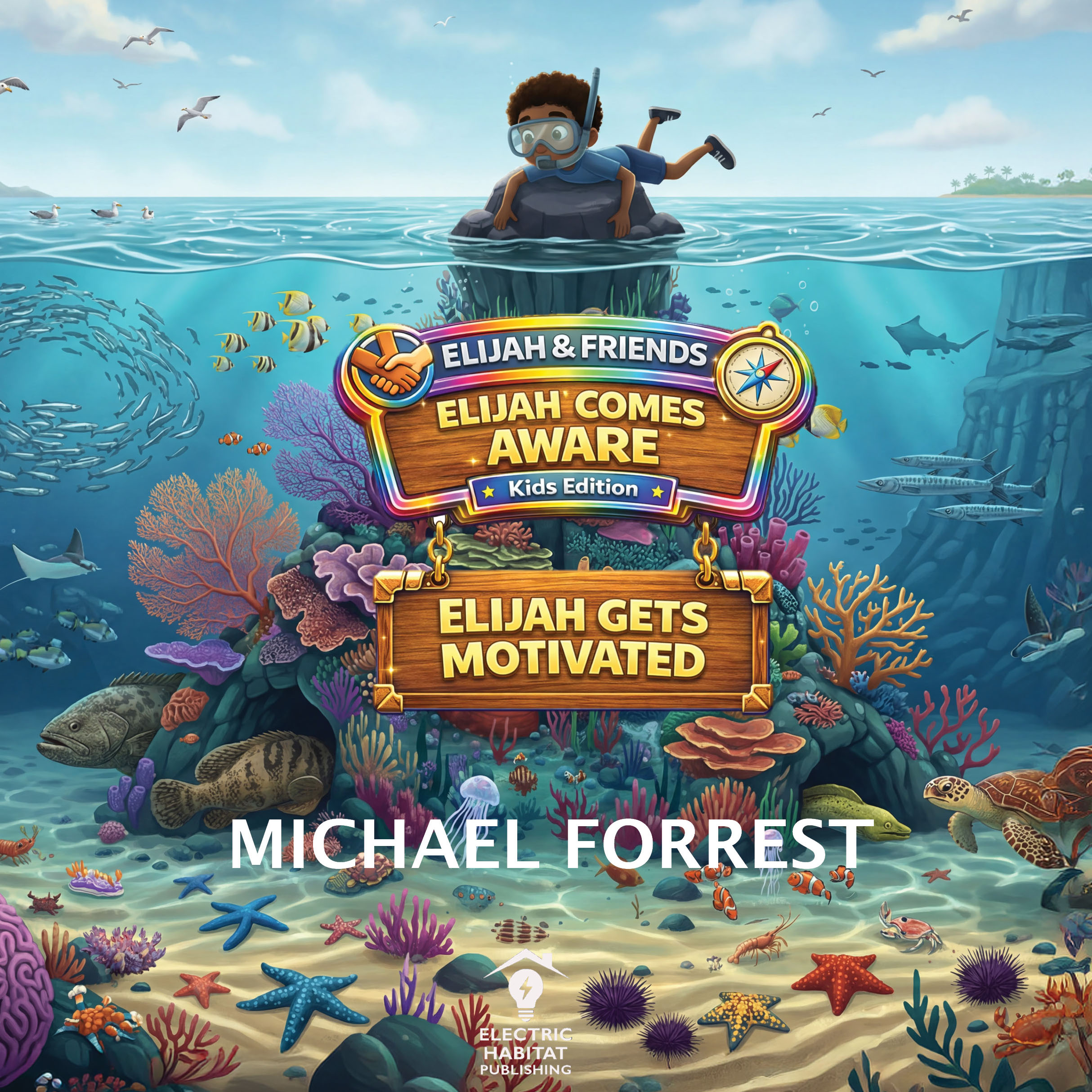
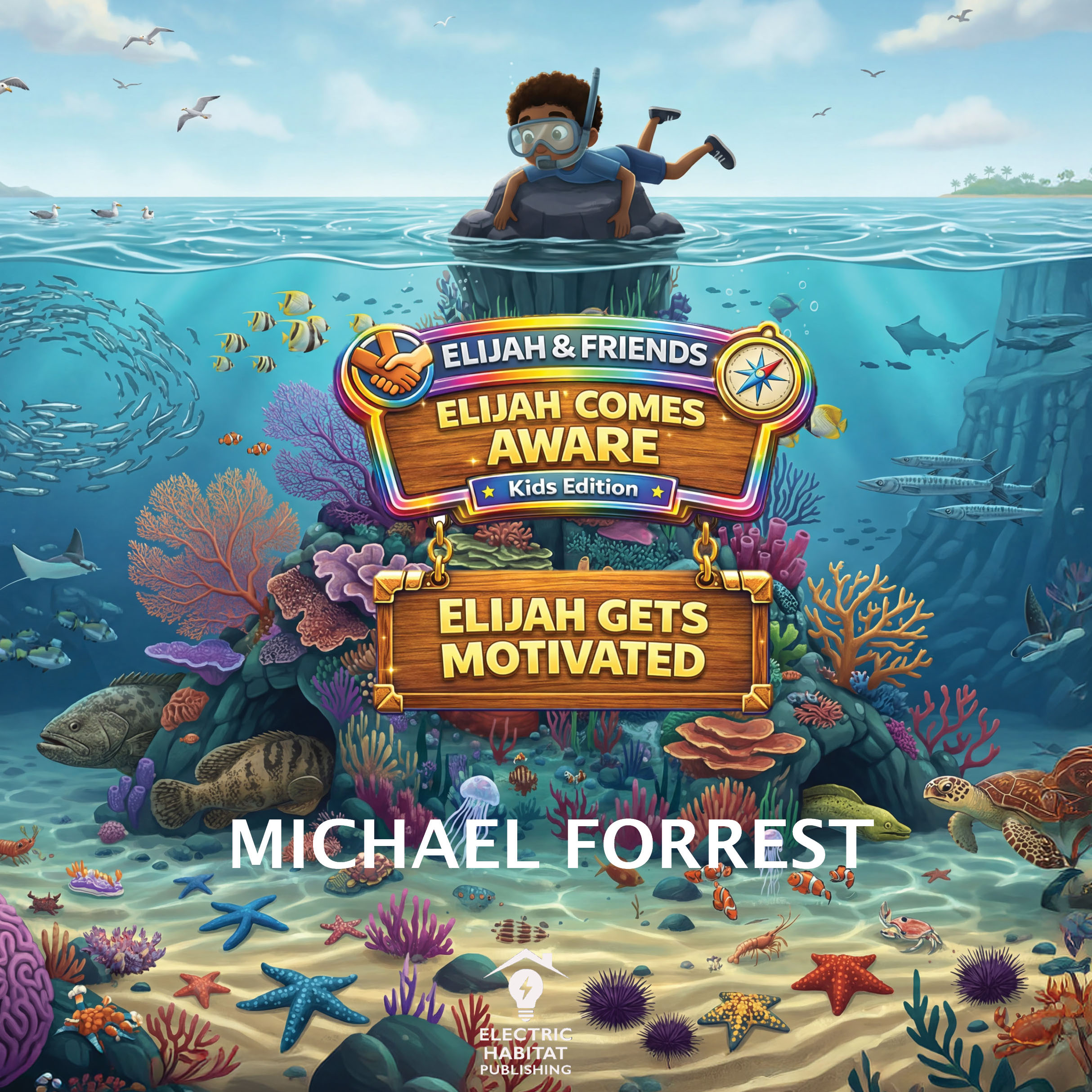
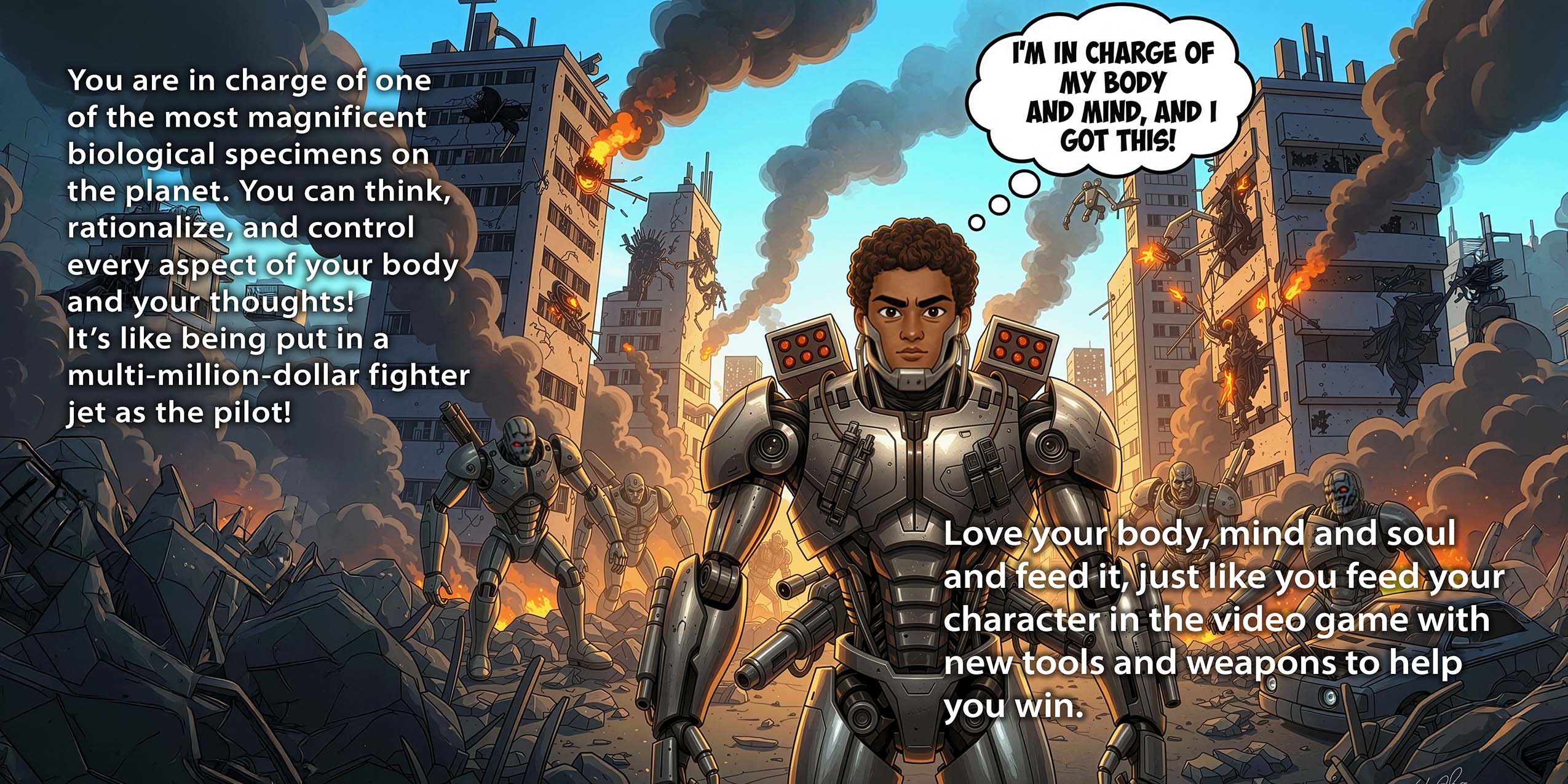
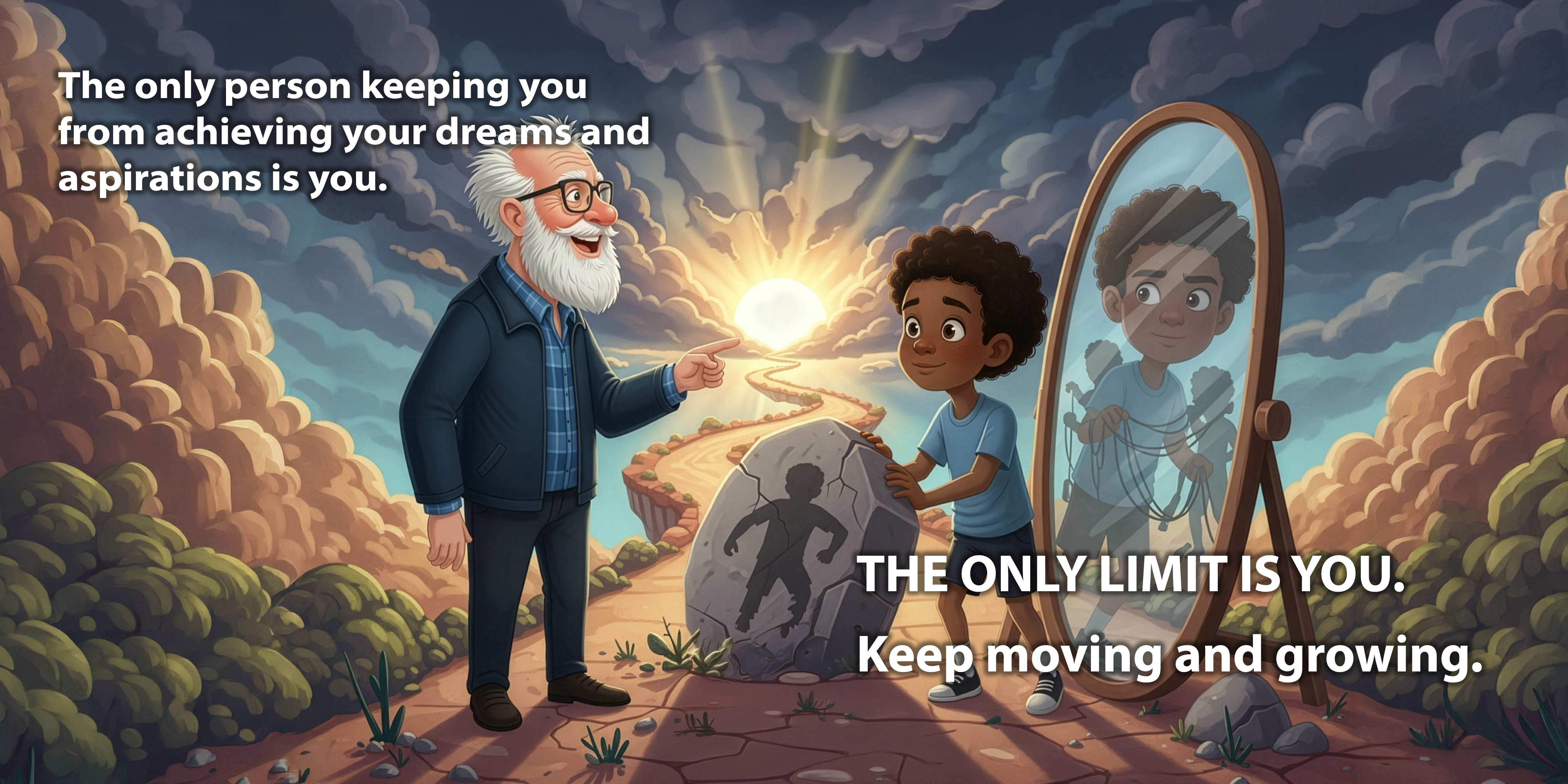
Elijah Gets Motivated
Some of the best motivational feel-good concepts in the fiction book are presented here for kids of all ages — warmth, resilience, and the quiet power of believing in yourself.
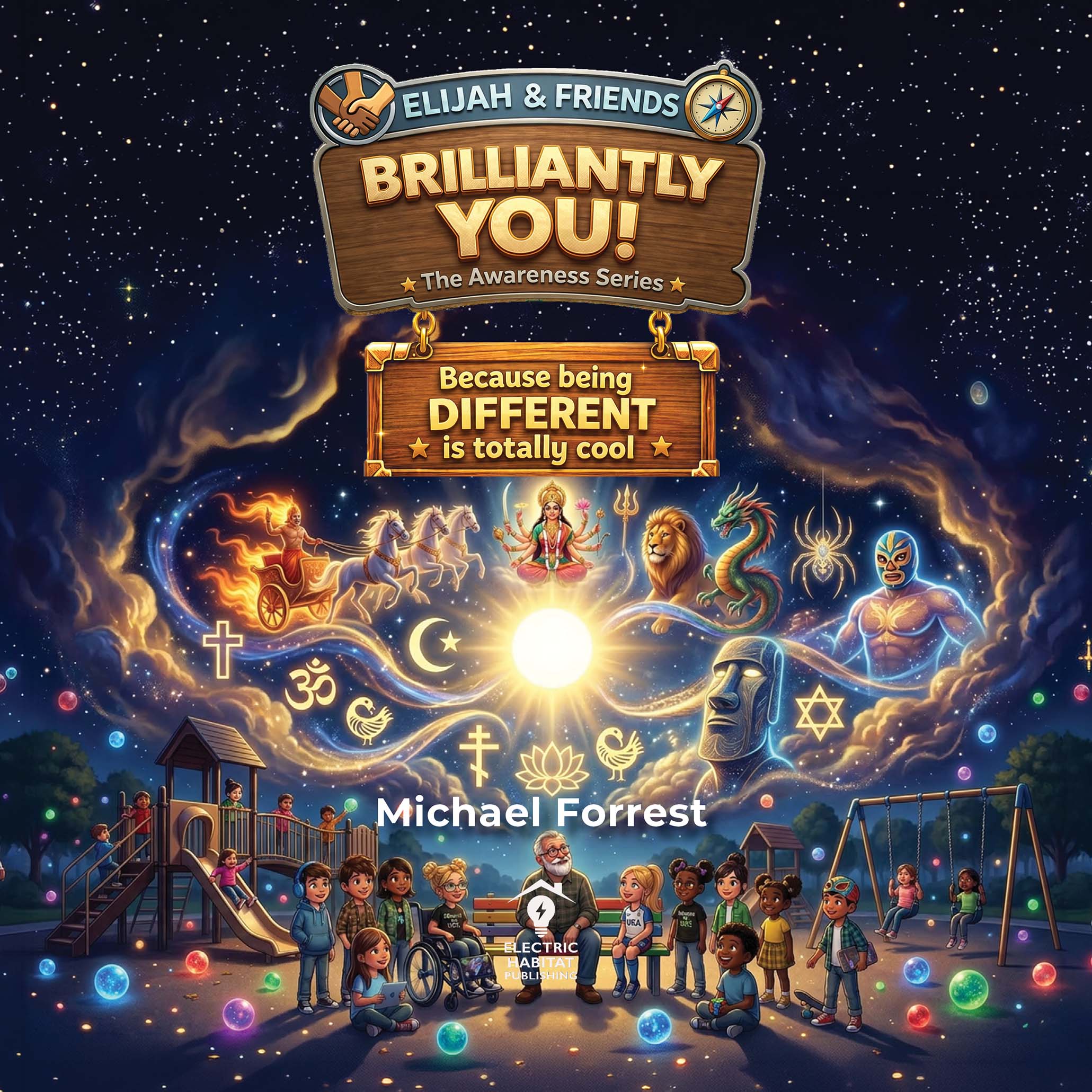
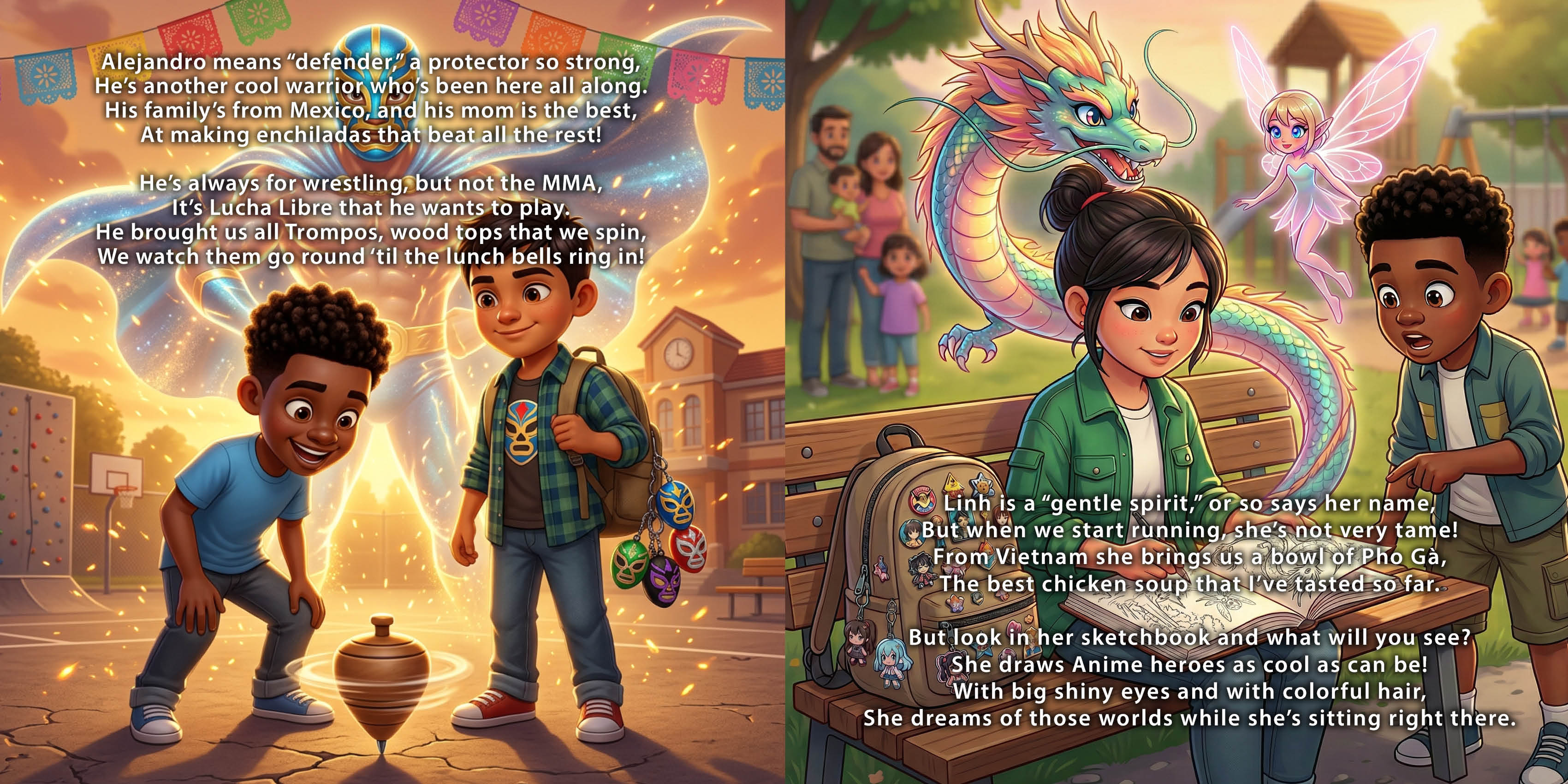
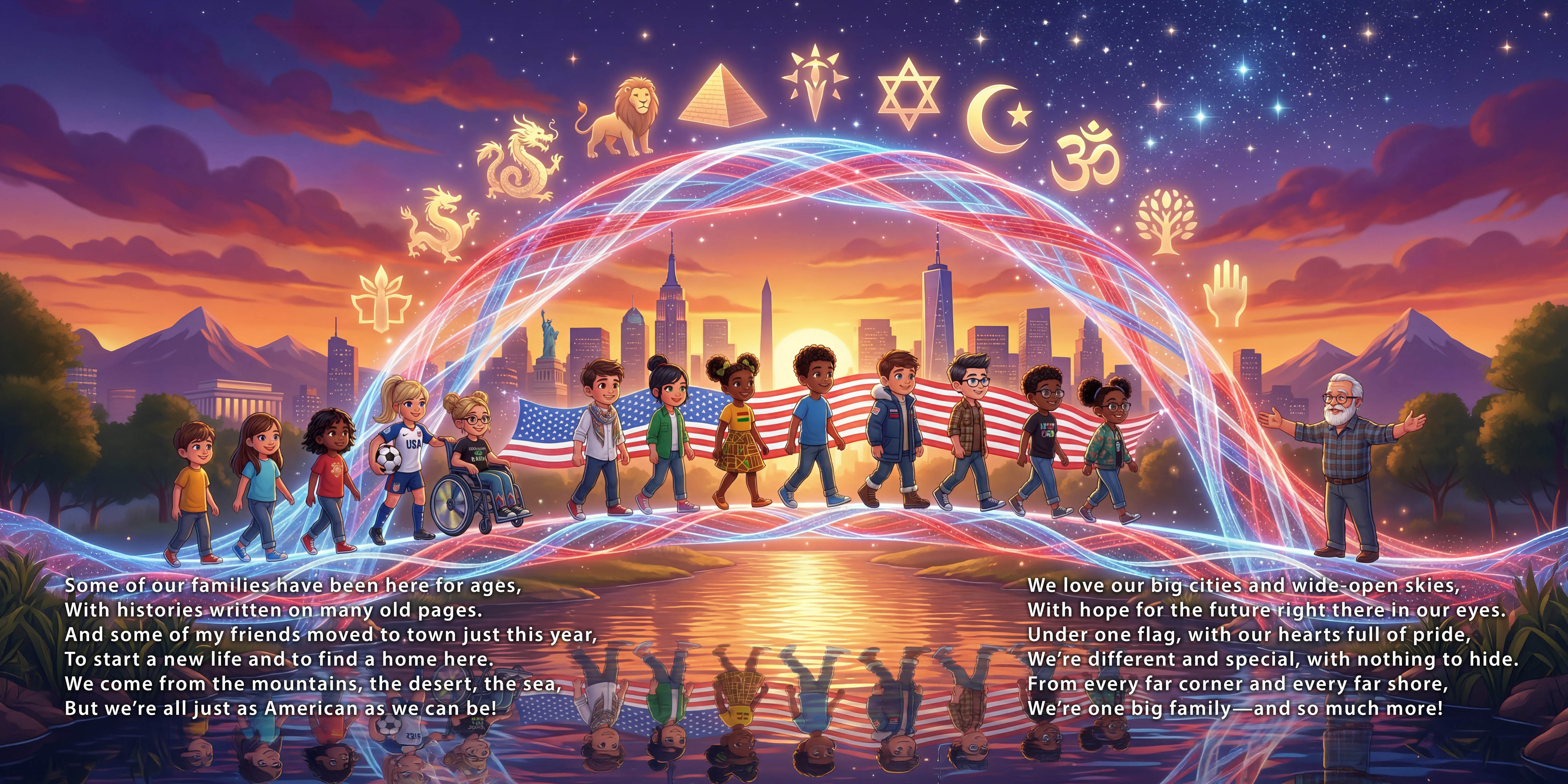
Because being DIFFERENT is totally cool
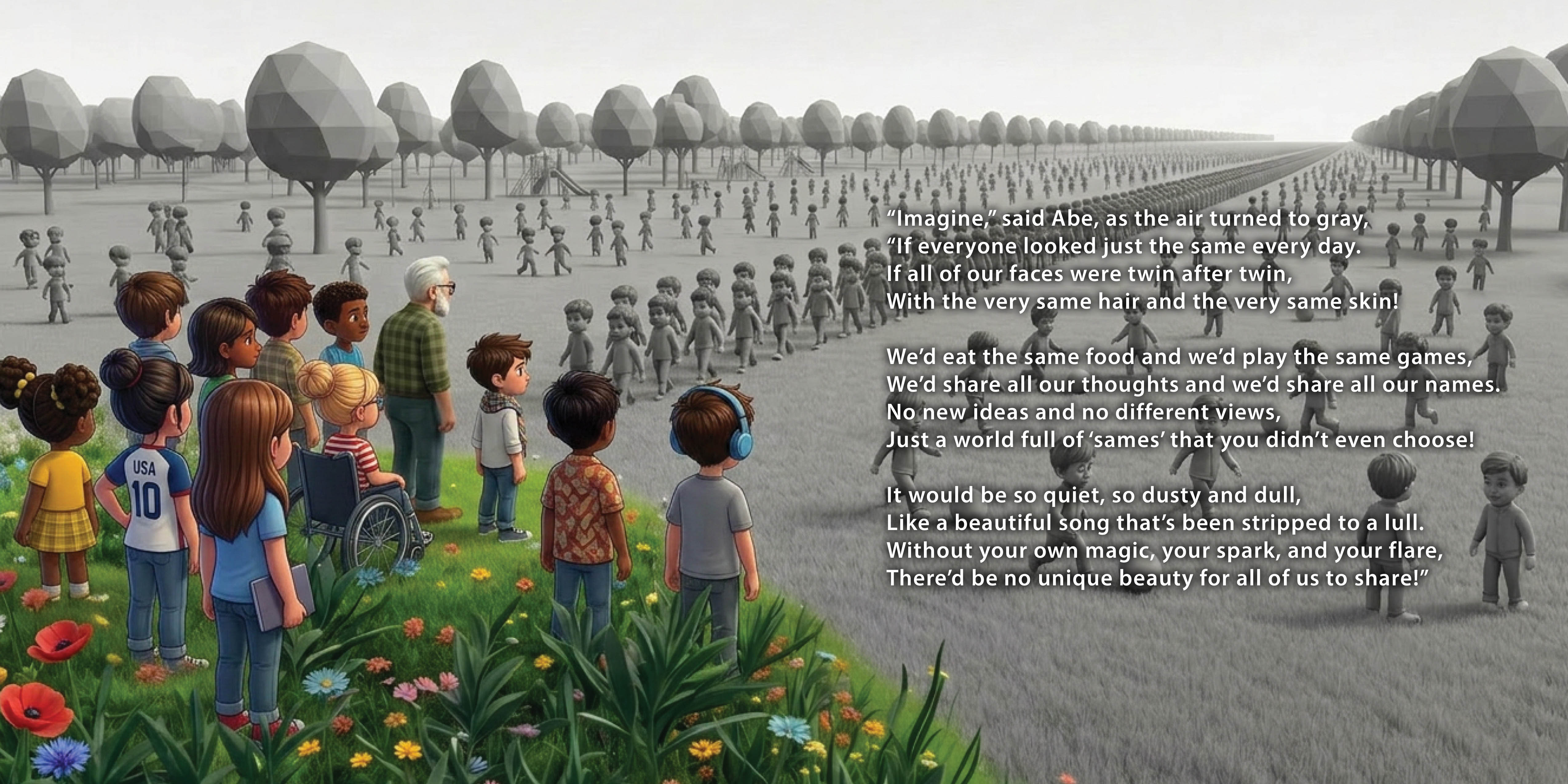
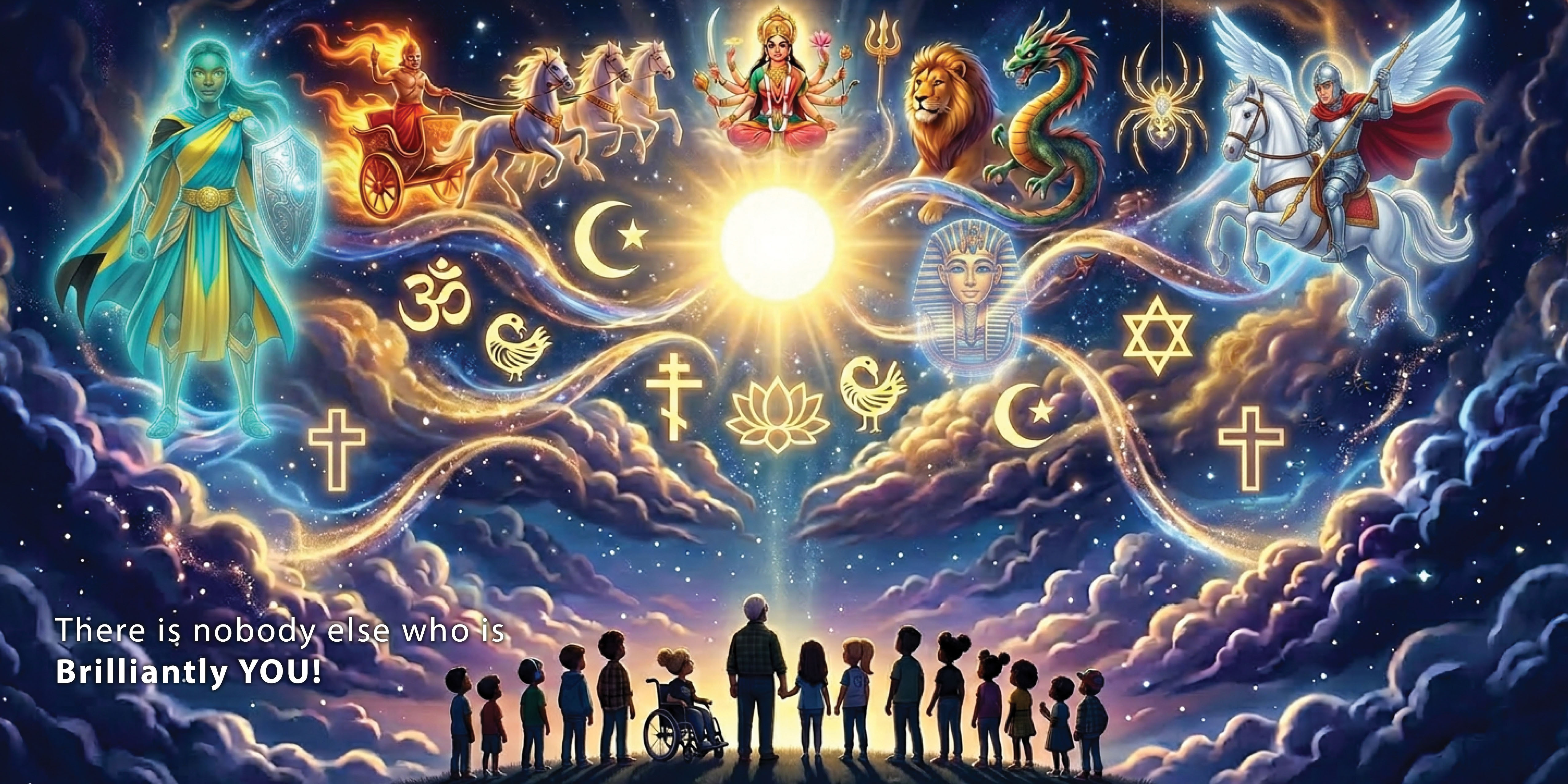
Join Elijah and Grandpa Abe as they discover that our unique “sparks” are what make the world a masterpiece. A celebration of every difference that makes life magical.
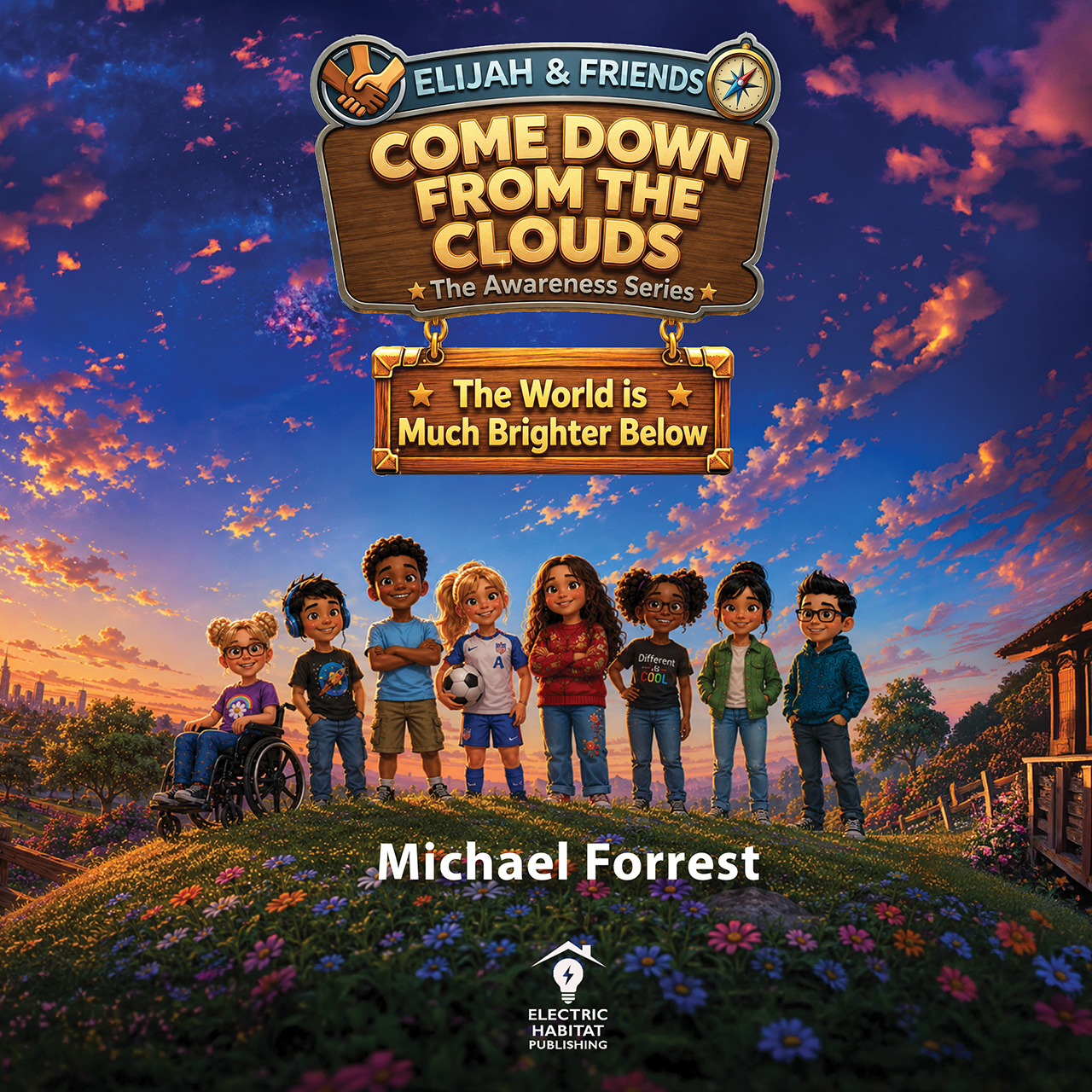
The world is much brighter below
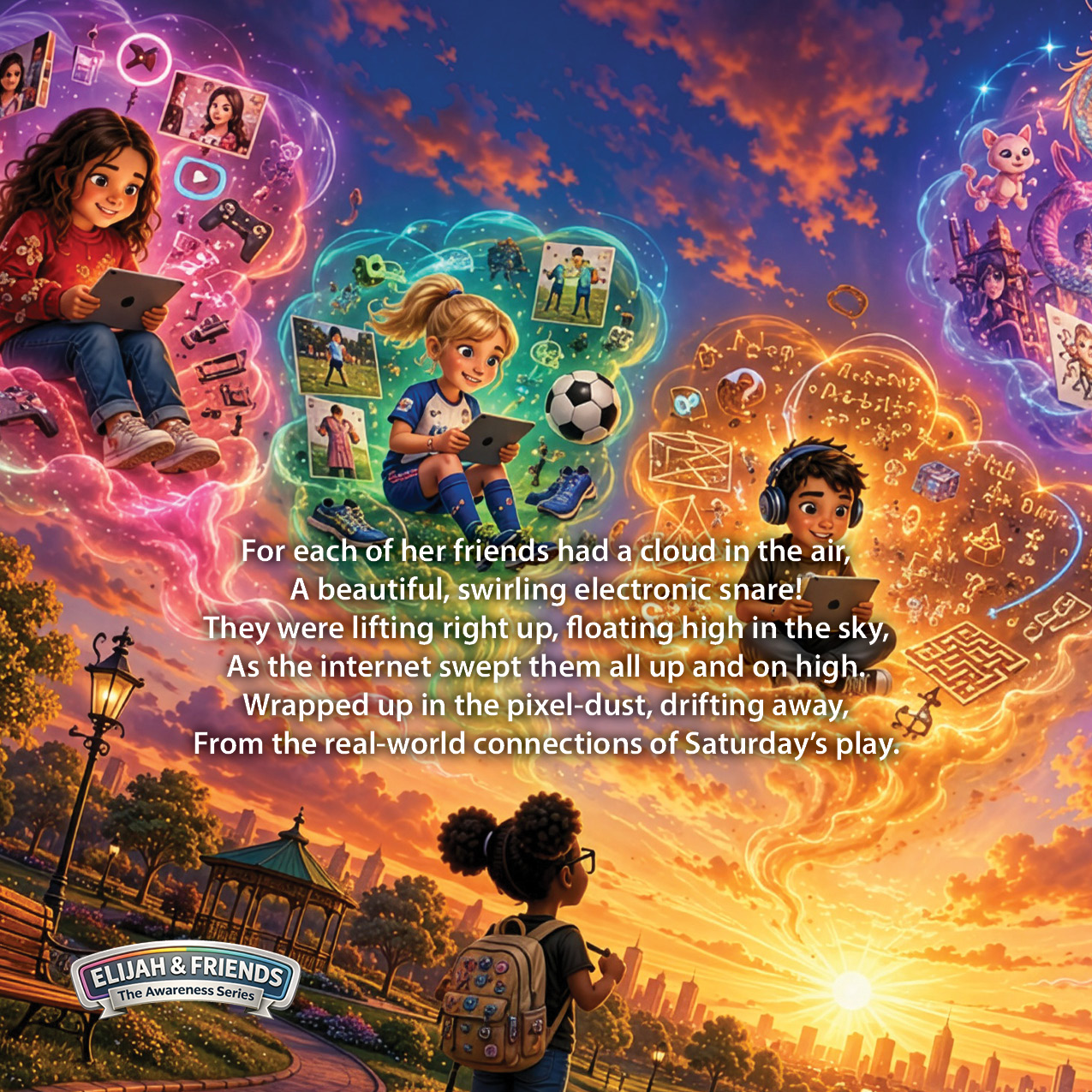
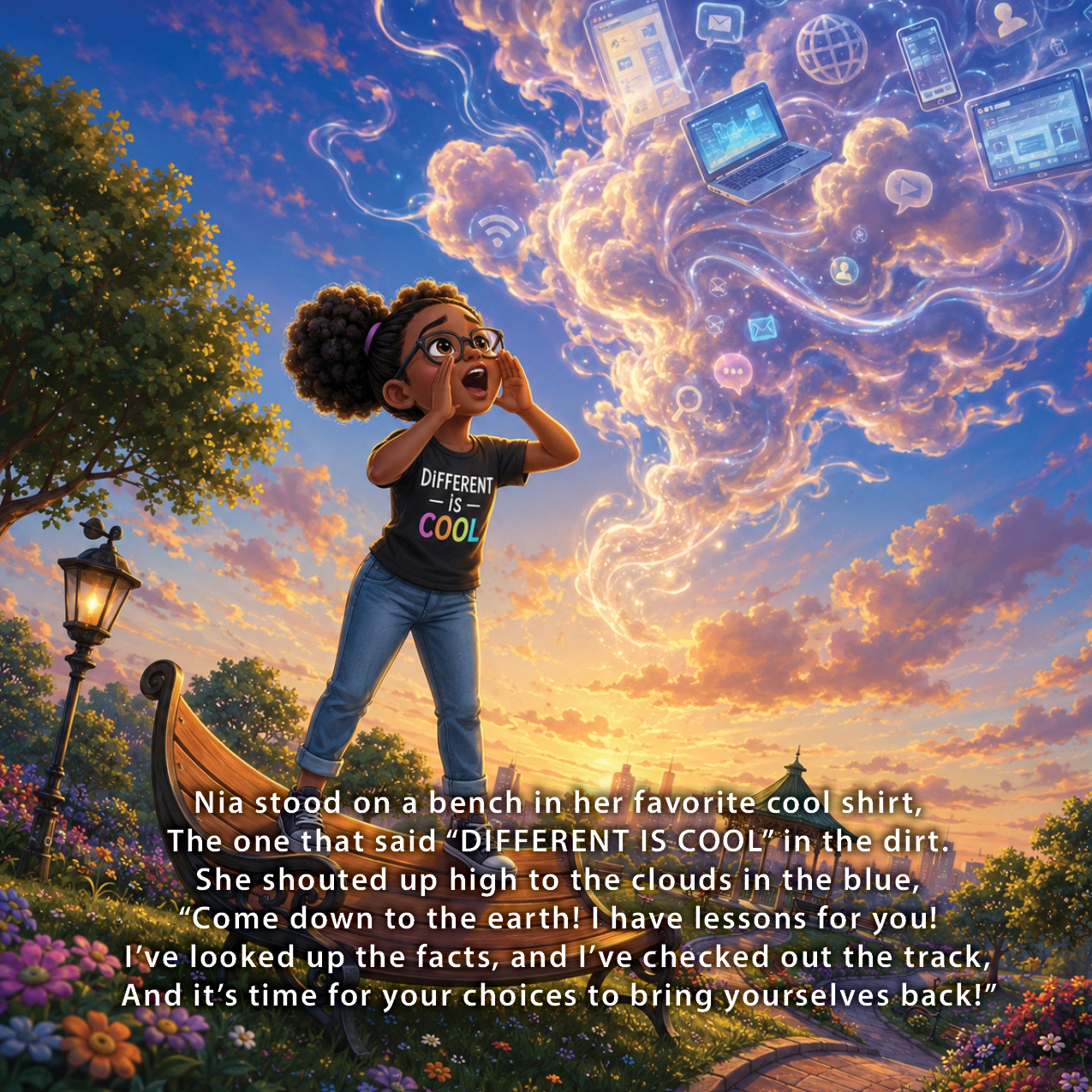
A rhyming, illustrated wake-up call about screens, attention, and what kids quietly trade away. Nia’s friends are physically at the park but mentally gone — drifting in floating clouds of pixel-dust. Backed by real research on young brains and the cost of going through life through a screen.
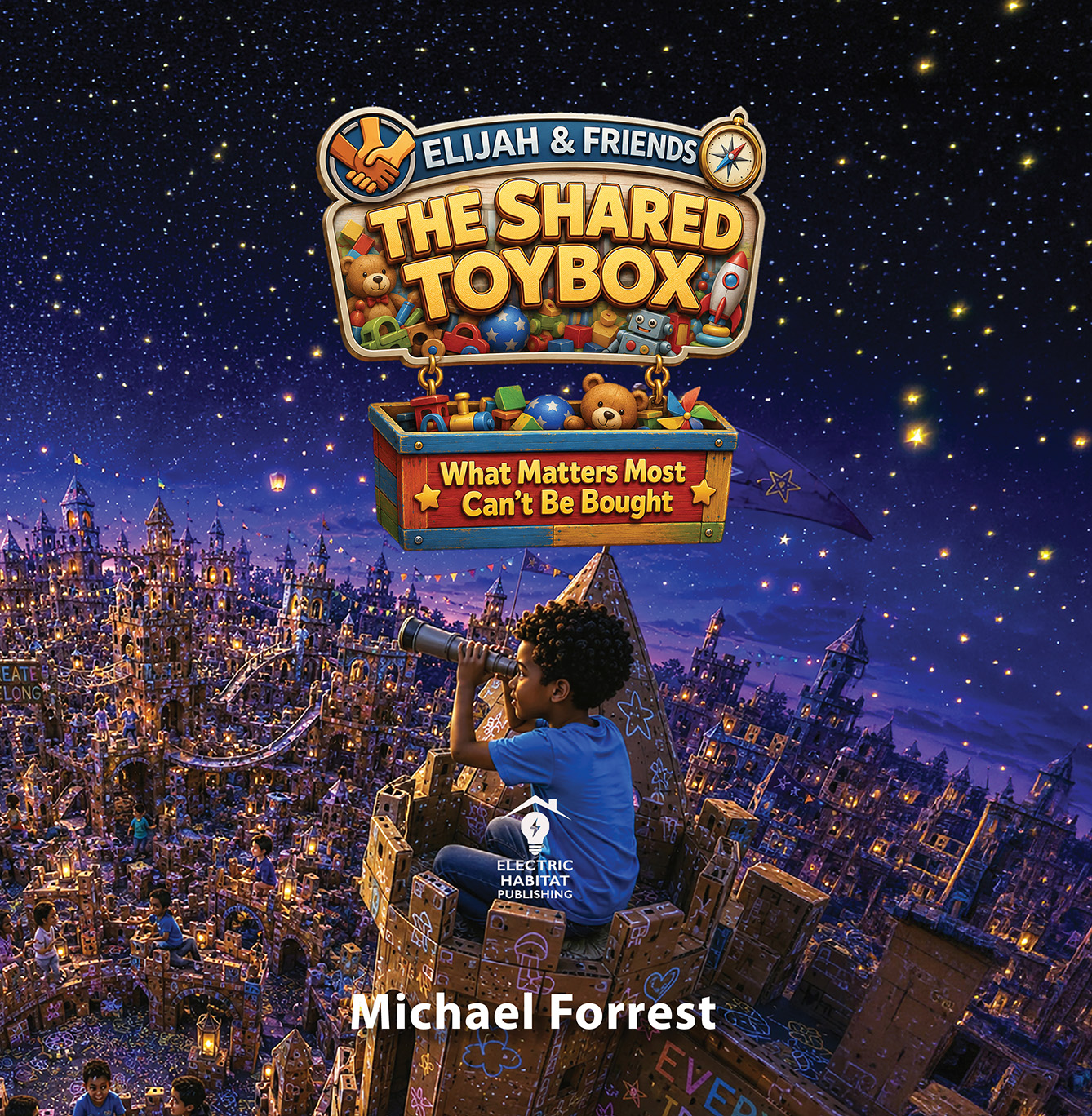
What matters most can’t be bought
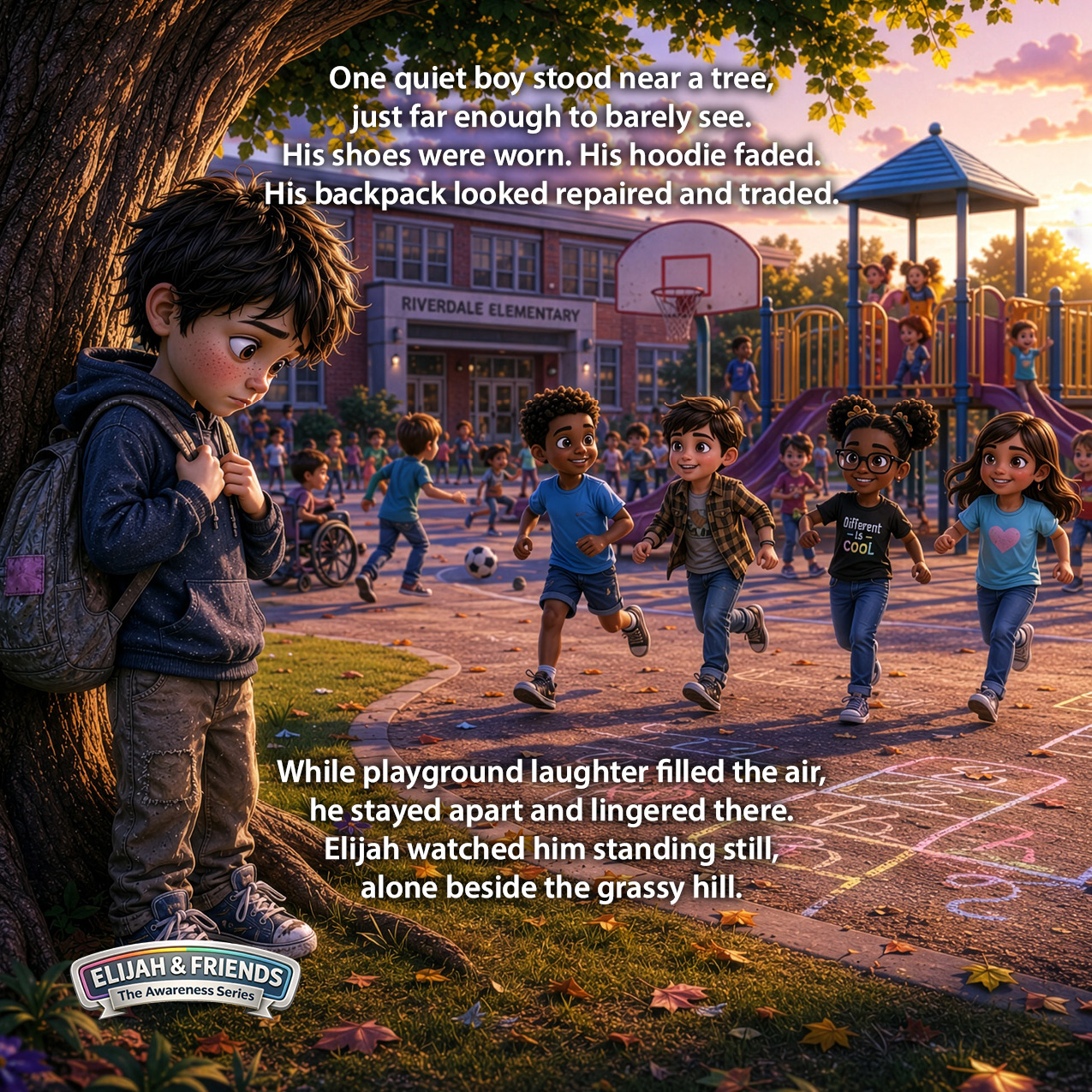
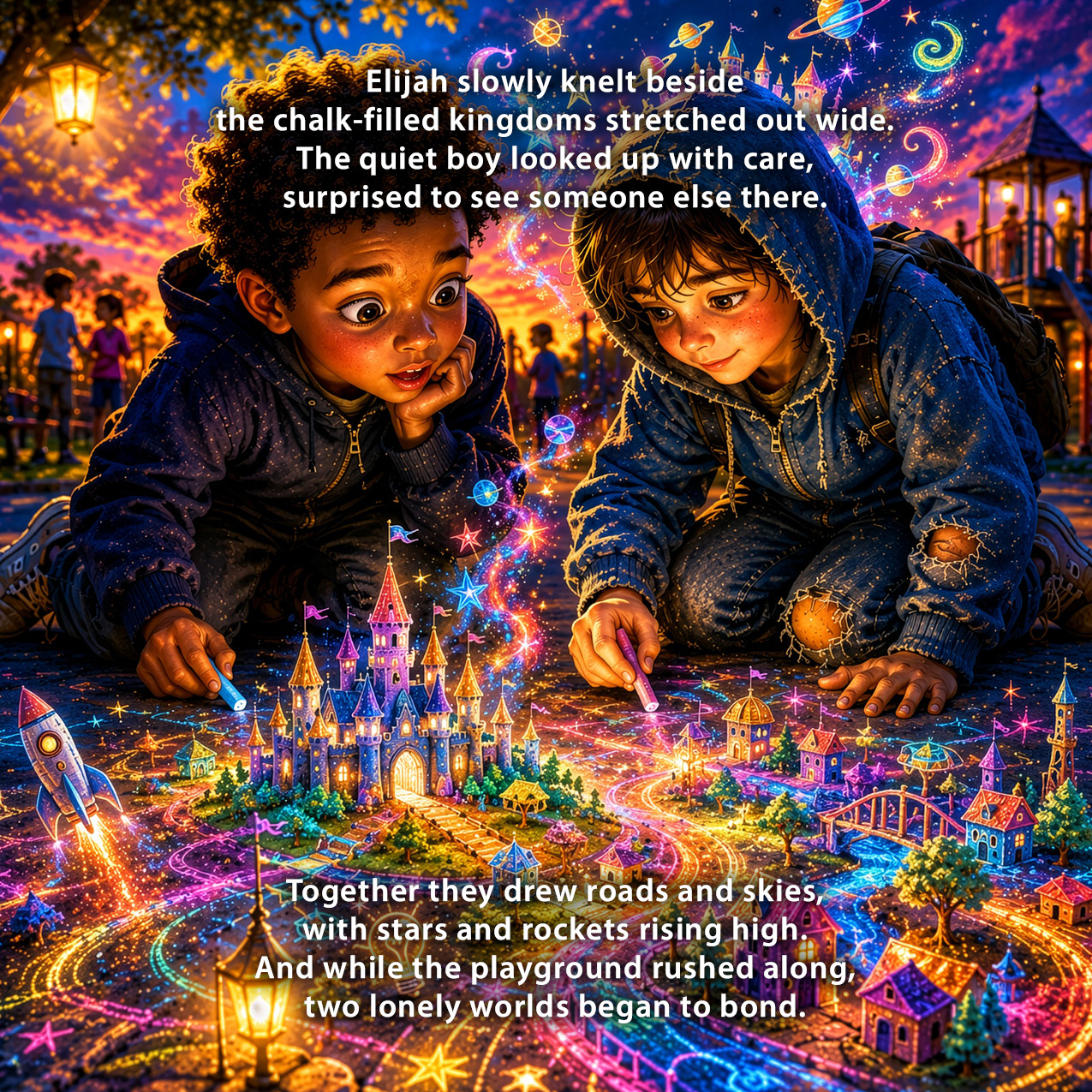
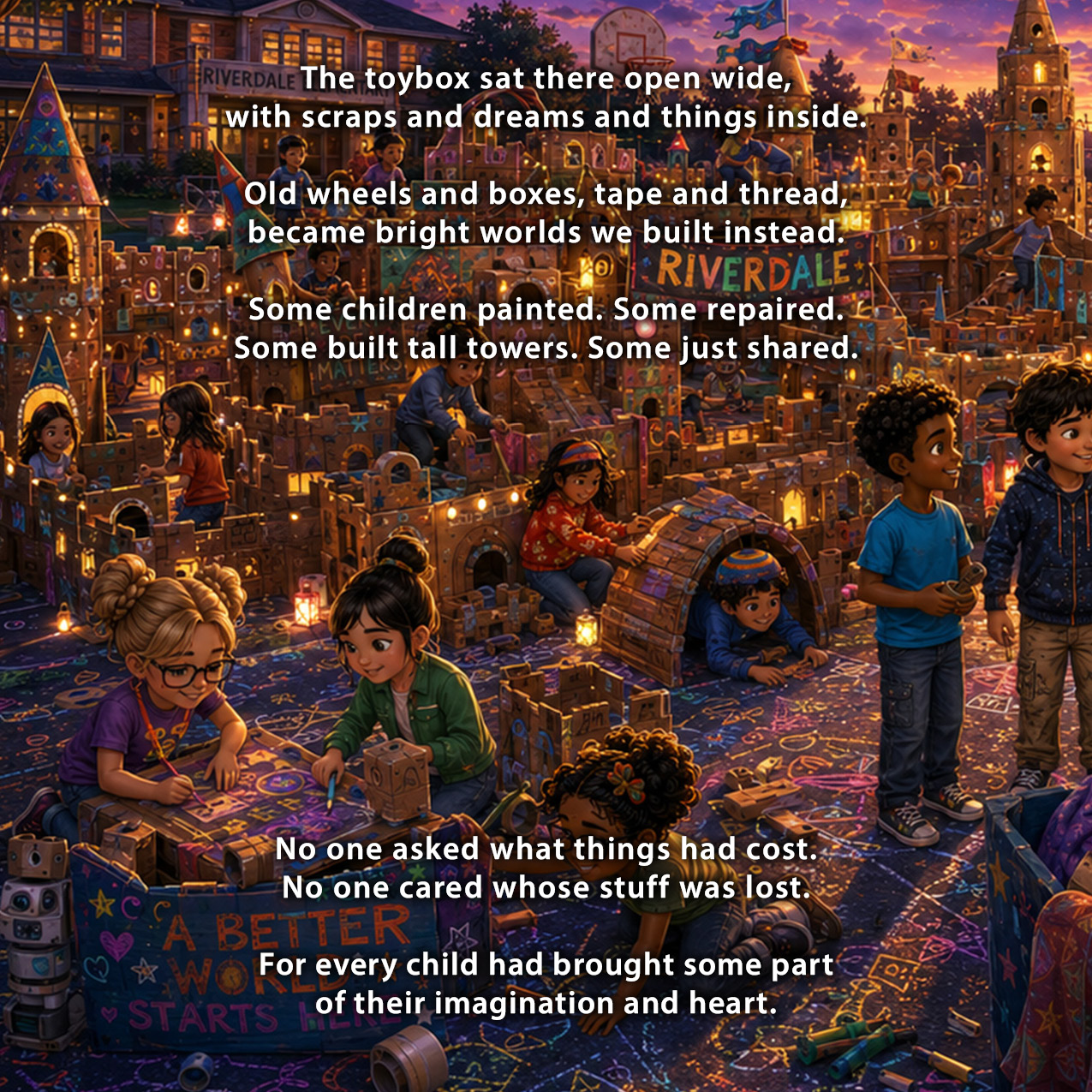
A quiet boy stands at the edge of the playground in worn shoes while the other kids show off their new stuff. Elijah notices — and kneels down beside the chalk castles the boy is drawing alone. By sundown, the whole playground has built a cardboard kingdom together.
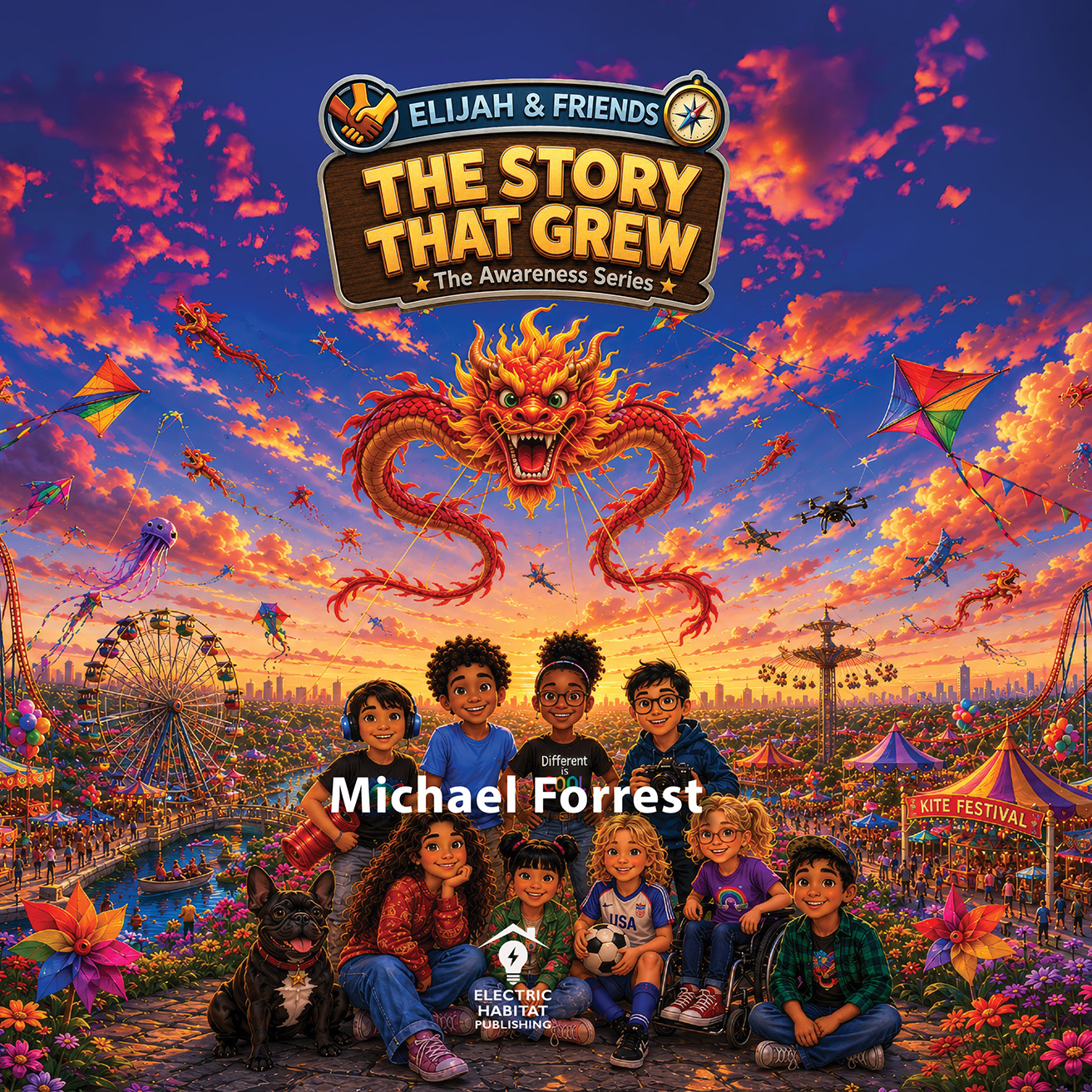
Because believing isn’t the same as knowing
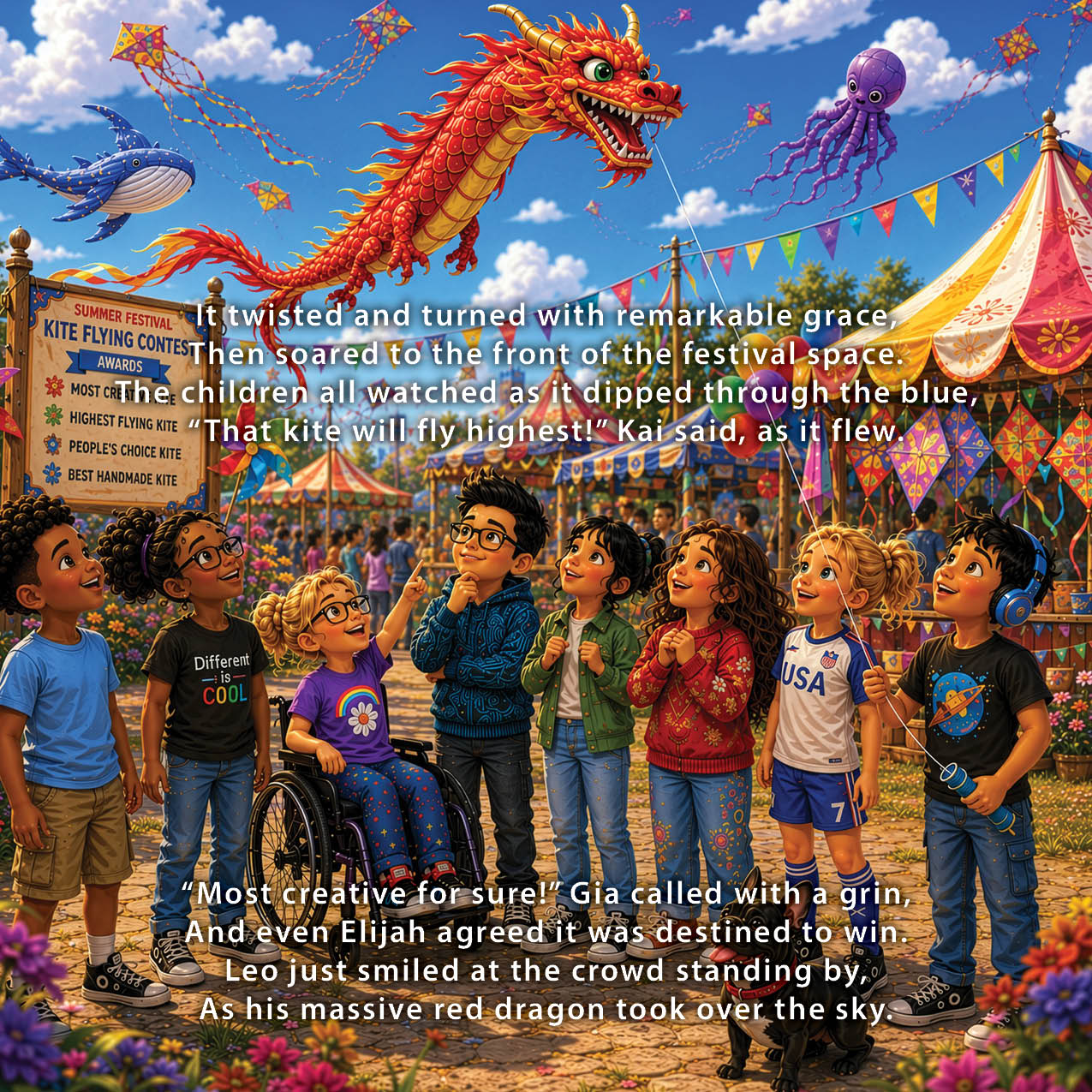
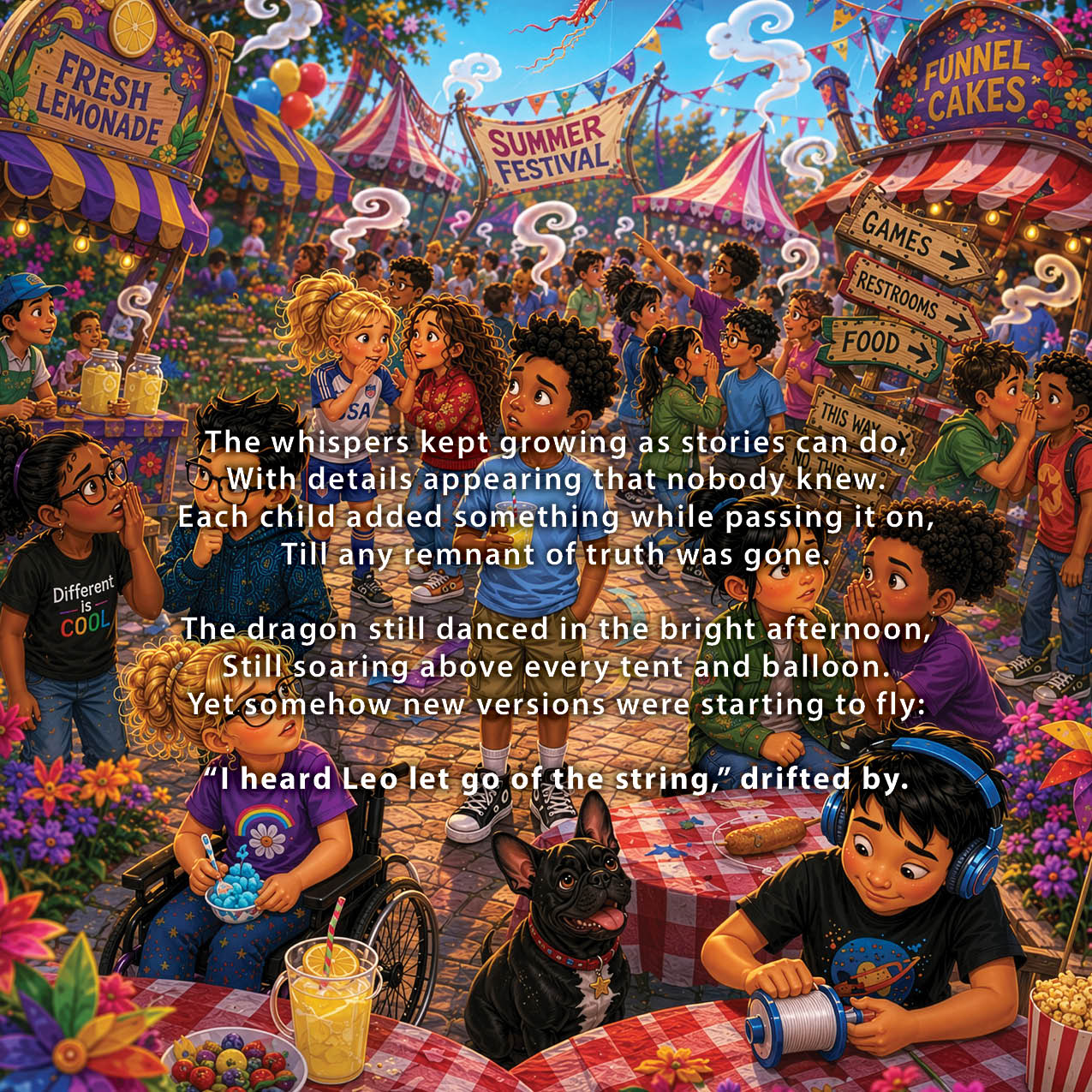
When you don’t know the whole story, a tiny guess can turn into a massive rumor. Elijah and his friends spend a normal day at the Spring Kite Festival watching Leo’s dragon kite steal the show — and by sundown, the story of that kite has crossed the city, launched a cosmic rescue mission, and moved to Mars. A rhymed, illustrated case for why believing isn’t the same as knowing.
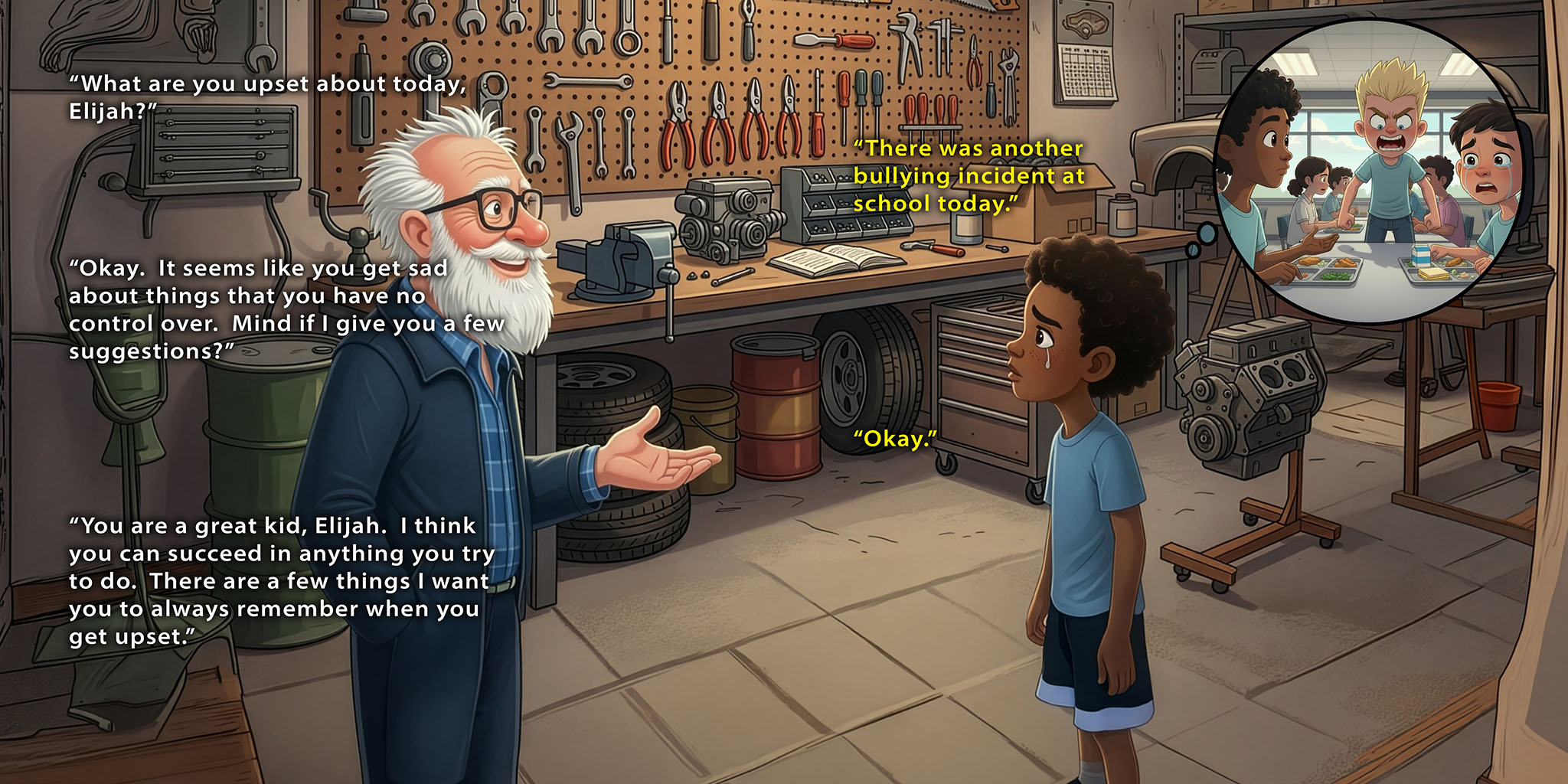
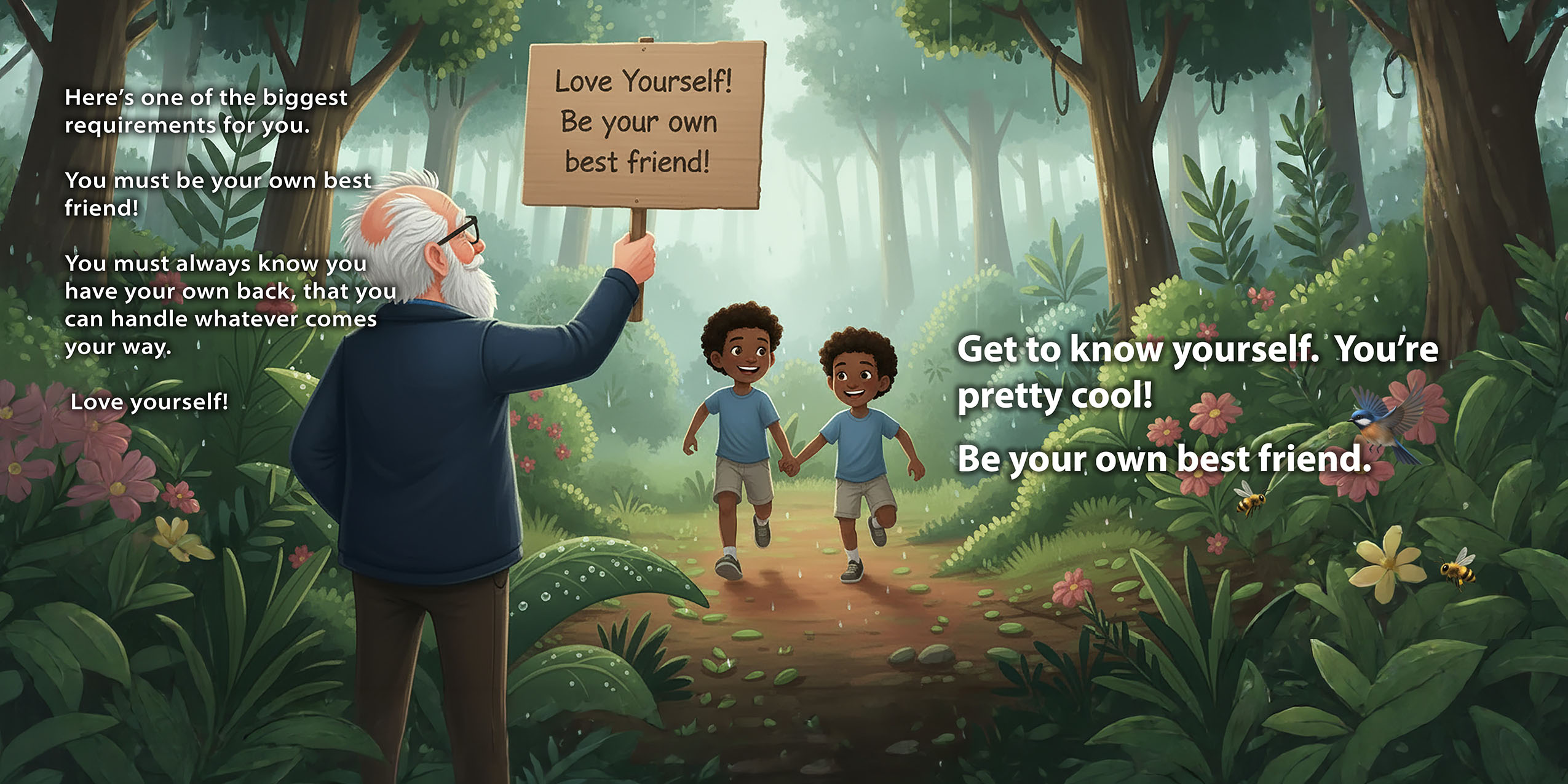
Elijah isn’t always okay. Sometimes he feels bullied, uncertain, or overwhelmed. That’s when Abe steps in — with warmth, imagination, and simple truths that help Elijah move through hard moments with confidence. It’s for children, and for the adults who may need the same reminders.
Join Elijah as he shares the unique differences his fellow friends at school have, that make life magical. Alejandro, Linh, and the rest of the crew show us that what makes each of us stand out is exactly what makes the world brilliant.
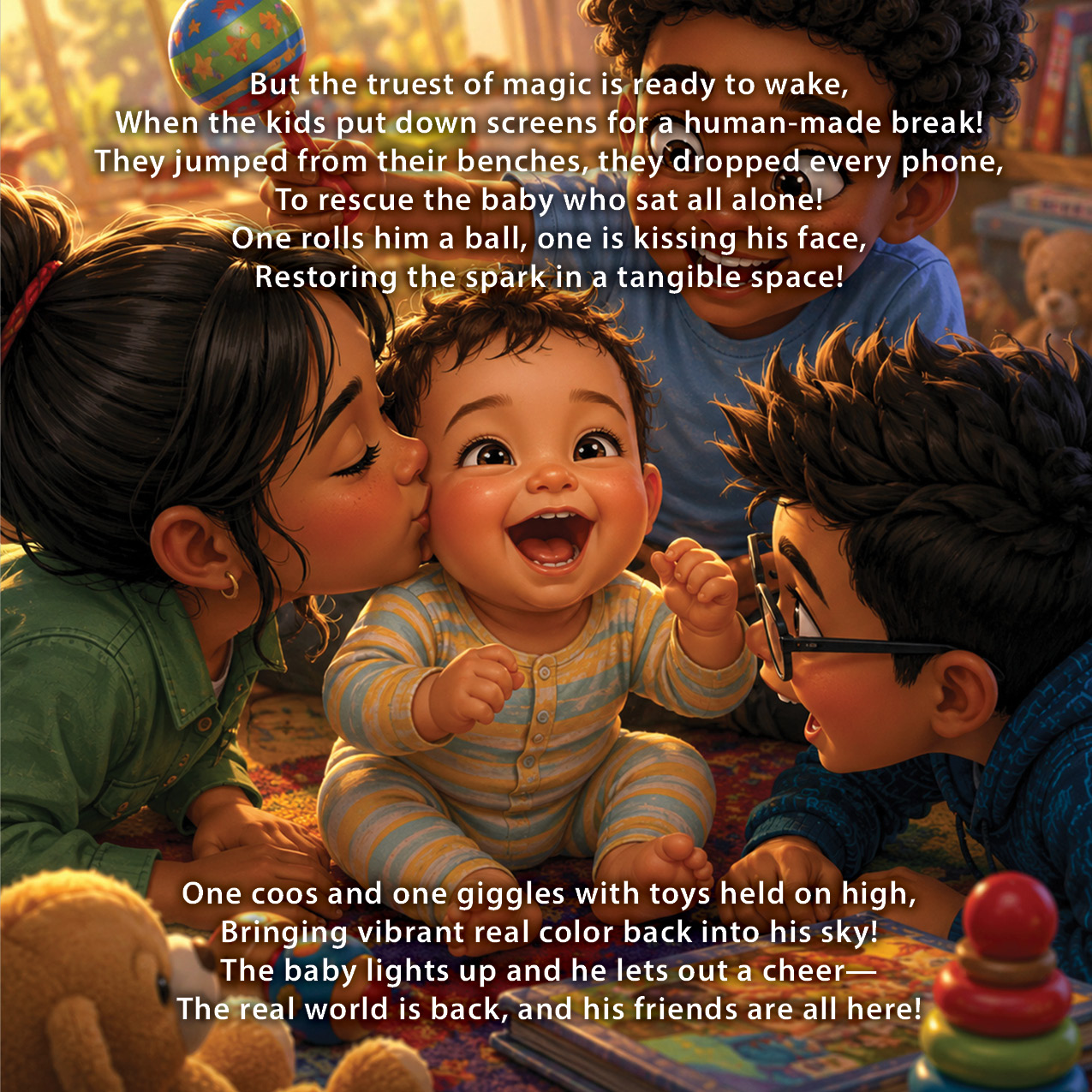
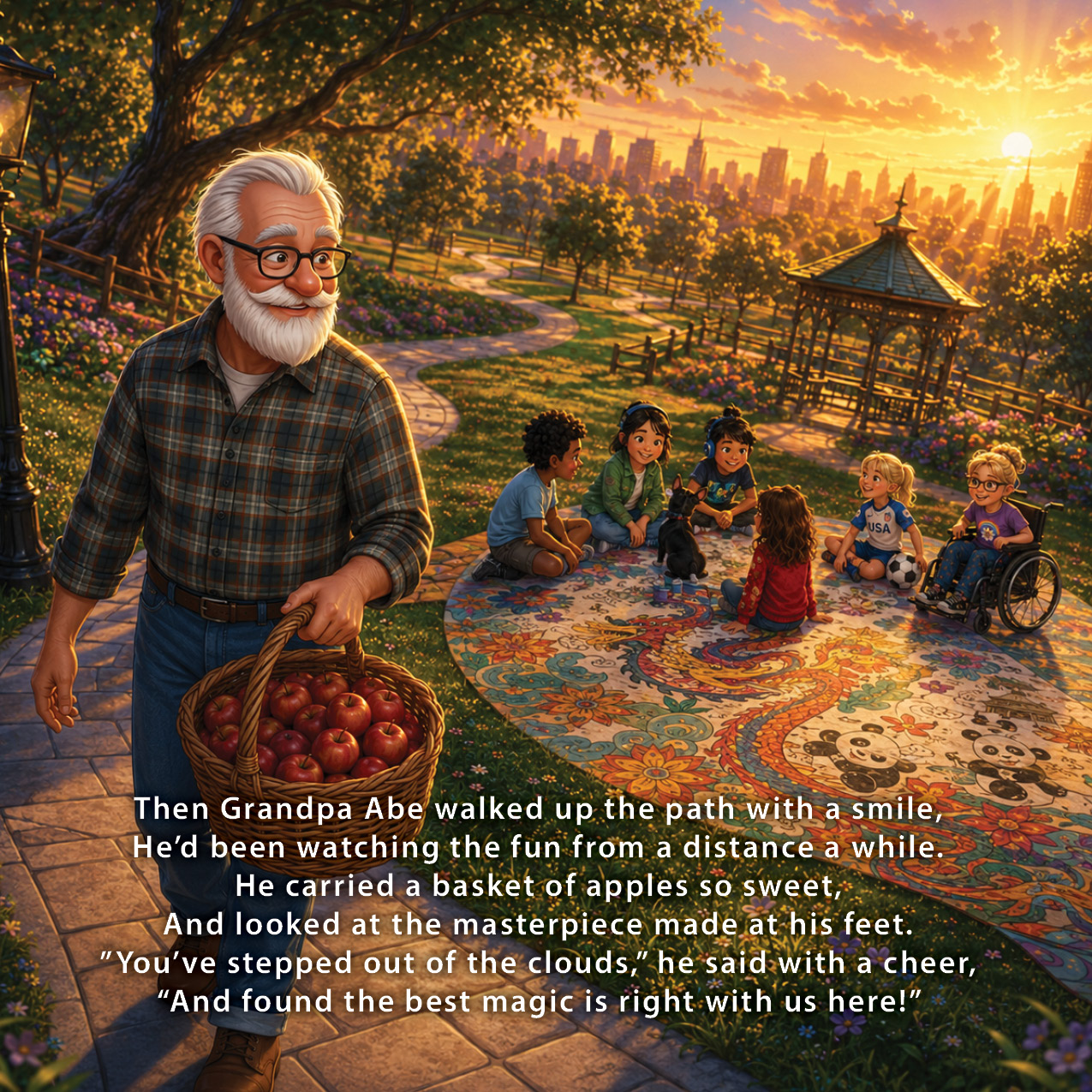
The story opens on an empty-feeling Saturday park where every kid is physically there but mentally somewhere else, drifting upward in glowing electronic clouds. Nia is the only one still standing on the grass — and she’s not having it. What follows is a rhyming, vividly illustrated call to come down: research-grounded warnings about screen time and synaptic pruning, woven into a story that ends with a barbecue, a frenchie named Noodles, paint on fingers, and Grandpa Abe walking up the path with apples. Screens aren’t the villain — being absent from your own life is.
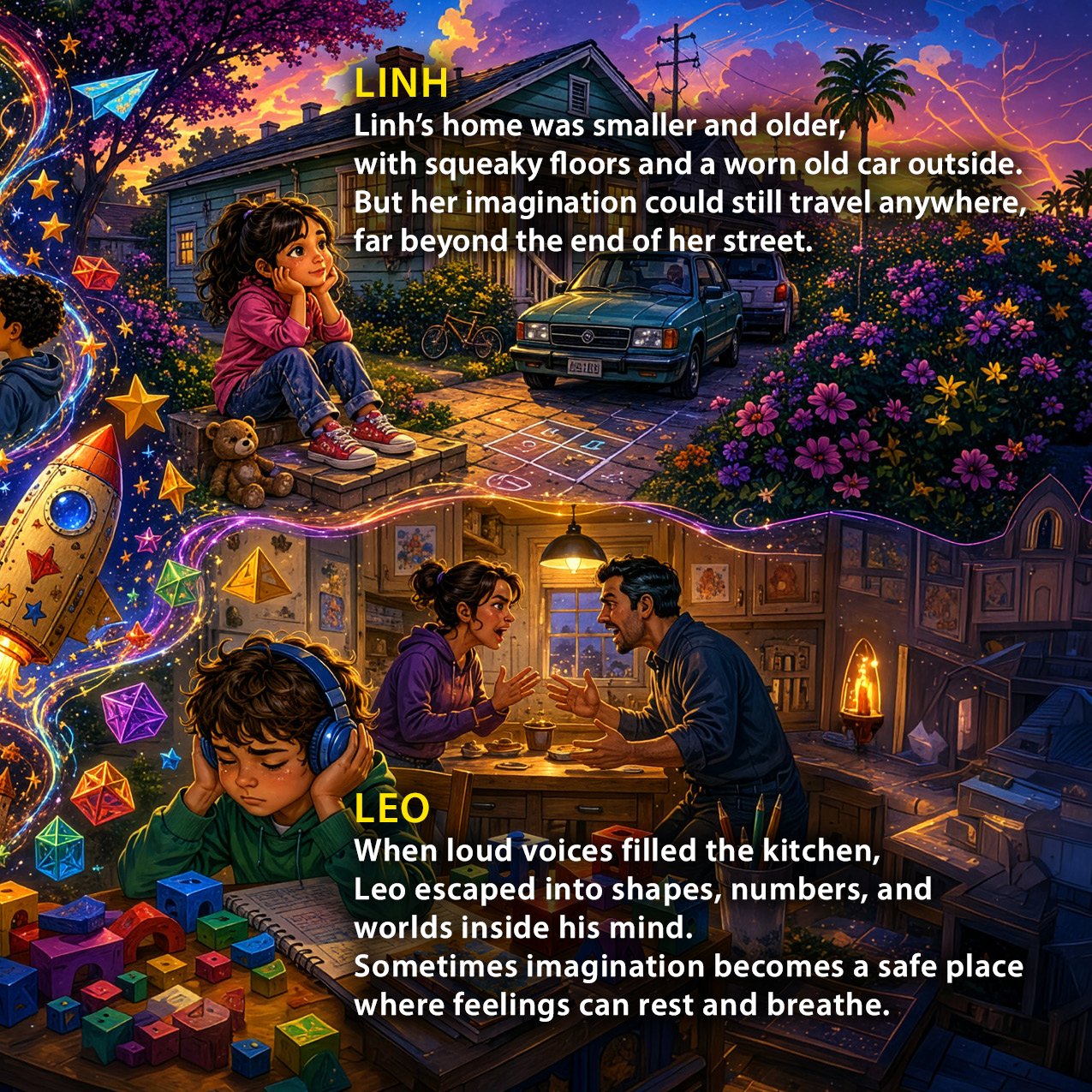
Some kids have new shoes. Some have backpacks repaired and traded. Elijah notices the quiet boy who hangs back near the fence, drawing chalk worlds while everyone else compares stuff — and chooses to stay. What follows is a whole-playground transformation: cardboard castles, painted bridges, a city built from scraps, and a circle of kids finally telling each other what they actually feel. The book makes its case quietly — that imagination, kindness, and belonging are worth more than anything in a store — and ends with a wink at who’s waiting in the toybox next.
It started with a single kite string — and ended with a dragon moving to Mars. How did a normal day at the Spring Kite Festival turn into a giant cosmic rescue mission? It didn’t. But when you don’t know the whole story, a tiny guess can turn into a massive rumor. Join Elijah and his friends as they track down the facts and solve the mystery of the story that grew — with a Noodles cameo standing by to remind everyone to verify their sources.
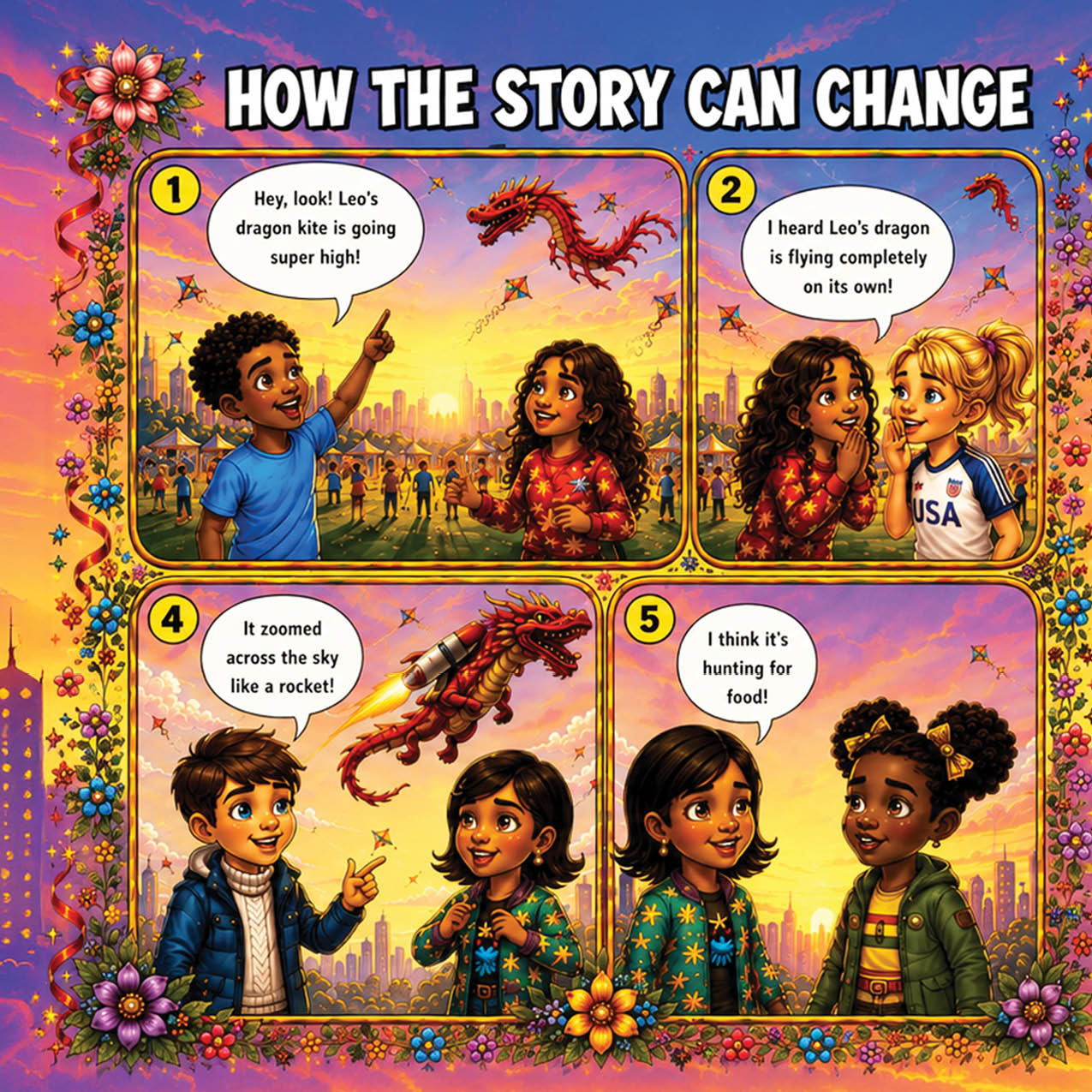
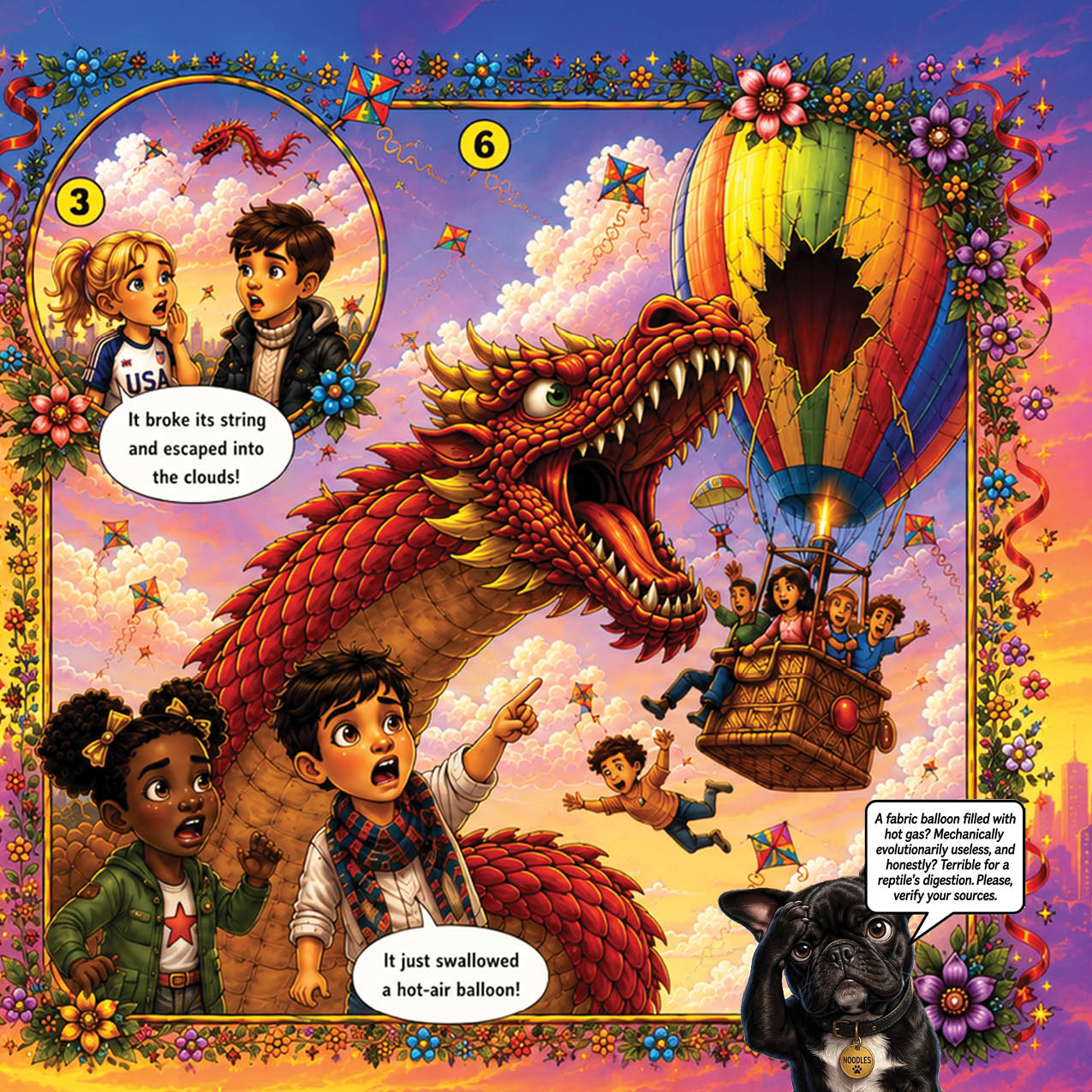
Because believing isn’t the same as knowing
Available on Amazon as an eBook or 8.5″ square paperback, and on Barnes & Noble in hardcover and softcover.
Softcover ISBN: 979-8-9963243-3-0 · Hardcover ISBN: 979-8-9963243-4-7